Sunday, 23 July 2023

Stay Dry and Secure: Unveiling the Benefits of Terrace Waterproofing

Although the rainy season has a calming and revitalising atmosphere, it can also provide problems for homeowners, especially when it comes to terrace upkeep. Heavy rains can compromise the structural integrity of your home by causing leaks, seepage, and structural damage. Terrace waterproofing is an essential remedy to address these problems and protect your haven. In this blog, we'll examine the many advantages of terrace waterproofing and explain why it's an essential purchase for the durability and security of your house.

waterproofing terrace

Protection Against Water Damage

Protecting your home from water damage is the main advantage of terrace waterproofing. It stops rainwater from leaking through seams and fissures in the terrace surface, walls, and ceilings by forming a watertight barrier. This proactive technique not only protects the building but also stops water-related issues like mould growth, dampness, and weakened foundations.

Water damage in walls

Enhanced Structural Integrity

Over time, exposure to moisture can weaken the building's foundation and compromise its structural integrity. Terrace waterproofing acts as a shield, significantly reducing the risk of cracks, erosion, and deterioration. It helps maintain the strength of the building, prolonging its lifespan and reducing the need for expensive repairs in the future.


Healthier Living Environment

Water leaks can create damp and humid conditions that encourage the growth of mould, mildew, and fungi, endangering the health of the people. By removing extra moisture from terraces, terrace waterproofing ensures a healthier living environment by avoiding allergies, asthma, and other related health issues.

Protects Belongings and Interior Décor

Terrace waterproofing preserves your home's structural components as well as your priceless possessions and interior design. Furniture, computer devices, and other valuables can all be damaged by water seepage. You may be sure that your assets are well-protected by preventing water infiltration.

Cost-Effective Solution

Although some homeowners might be hesitant to spend money on waterproofing, it ultimately turns out to be a cost-effective solution. In comparison to the possible costs of fixing substantial water damage and structural problems, the expenditures associated with waterproofing are significantly cheaper. Additionally, it raises the value of your home, which is advantageous if you ever decide to sell.

Environmentally Friendly

Making the decision to waterproof a terrace also shows concern for the environment. You may conserve water resources and cut down on overall water waste by minimising water leaks. By keeping a constant indoor temperature and lowering the need for excessive cooling during humid weather, it also aids in energy conservation.

Peace of Mind

It is calming to know that your house is properly protected from water-related issues. Without having to worry about water seepage or property damage, you can enjoy the monsoons. With terrace waterproofing, you can enjoy the downpour while being warm, dry, and secure inside.

Terrace waterproofing is an investment in the security, resilience, and wellbeing of your house and loved ones, not just a protective measure. Waterproofing has a number of advantages that make it an essential component of responsible homeownership, including reducing water damage, improving structural integrity, and fostering a healthier living environment. By choosing terrace waterproofing today, you can enjoy the rain with confidence and avoid waiting for water-related problems to arise.

To know more visit : 
Importance of Waterproofing for Your Secure Home


Waterproofing Terrace- What is the Best Waterproofing for Terrace?

Best Terrace Waterproofing

Best Waterproofing

Waterproofing is important for your terrace. Our roof and terrace is the protection of our house, so we have to give better waterproofing solution for it. Waterproofing is essential because, the terrace is exposed to the weather elements like rain, UV rays, snow which will make damages to the terrace. Terrace waterproofing is crucial for every buildings to protect them from damage of climate. 

Different types of Terrace Waterproofing

Waterproofing Types
  1. Cementitious Waterproofing: Cement-based waterproofing or cement based coating is used to make thick layer waterproofing coating on the terrace. This is mostly used for the newly constructed buildings or existing terrace. 
  2. Bituminous Waterproofing: In this method bituminous based materials like bituminous membranes or coating are used to do this terrace waterproofing. Bituminous waterproofing is used for preventing the water seepage.
  3. Liquid Waterproofing Membrane: Liquid waterproofing is applied like a liquid coating. When it get  dries it will become a seamless or flexible membrane. 
  4. Polyurethane Waterproofing: polyurethane waterproofing is flexible and highly durable coating . This helps to protect the terrace from the problem of water penetration. It can be used for both the new and existing terrace.
  5. Acrylic Waterproofing: This is a coating and it is water based and easy to apply. It provide a protective layer for the terrace. we can often used for the terrace gardening.
  6. EPDM(Ethylene Propylene Diene Monomer) Membrane: These membranes are synthetic rubber membrane, which is mostly used in the flat roof waterproofing and terrace waterproofing. 
  7. PVC (polyvinyl Chloride) Membrane: PVC membrane is thermoplastic sheets. PVC membrane offers excellent waterproofing solution for the terrace. This method can be used for the both new and existing buildings.
  8. TPO(Thermoplastic Polyolefin) Membrane: TPO membrane is a combination of polypropylene and ethylene-polypropylene rubber. This protect the terrace from the UV rays. 
  9. Bentonite Waterproofing: In this method of waterproofing bentonite clay panels or sheets. This create a protection against the water penetration. 
Selecting the right waterproofing solution for your terrace is important for your building. Learn more Waterproofing Terrace- What is the Best Waterproofing for Terrace?


Thursday, 20 July 2023

Choosing the Right Heat Insulation Coating for Your Building or Home

Introduction

Finding efficient solutions to lower energy use and maintain pleasant indoor temperatures has become a primary goal for both households and building owners as energy costs continue to climb and concerns about climate change increase. Heat insulation coatings have become a promising remedy for these problems. We will walk you through the process of selecting the ideal heat insulation coating for your house or structure in this blog article, empowering you to make a decision that is in line with your unique needs and specifications.

Understanding Heat Insulation Coatings

Heat insulation coatings, also known as thermal barrier coatings, are used to reduce the transfer of heat from one surface to another. These layers reflect and absorb radiant heat, preventing it from penetrating or exiting the insulated area. They can be applied to many different surfaces, such as industrial equipment, walls, roofs, and ceilings.

Heat insulation coatings

Key Benefits of Heat Insulation Coatings

Understanding the many advantages that heat insulation coatings offer is crucial before beginning the choosing process.

Energy Efficiency

Insulation coatings assist maintain steady indoor temperatures by minimising heat transfer, which reduces the need for heating and cooling systems and lowers energy costs.

Cost Savings

Heat insulation coatings are an economical investment since long-term energy savings can result in significant cost savings over time.

Comfortable Indoor Environment

Insulation coatings reduce temperature variations and eliminate hotspots to assist create a more comfortable living or working environment.

Eco-Friendly Solution

Insulation coatings help to provide a more comfortable living or working environment by reducing temperature changes and eliminating hotspots.

Enhanced Building Lifespan

Insulation coatings can prolong the life of your construction components by shielding surfaces from drastic temperature swings.

Factors to Consider When Choosing Heat Insulation Coatings

Surface Compatibility

For specific surfaces like concrete, metal, wood, or asphalt, different coatings are created. Make sure the coating you choose will work with the surface you want to insulate.

R-Value

The coating's heat resistance is gauged by its R-value. Better insulating capabilities are indicated by a greater R-value. When analysing R-values, take into account the local climate and the desired level of insulation.

Application Method

While certain coatings may be applied by amateurs, others need professional application. Consider the application's complexity and whether you have the required knowledge and tools.

Durability and Lifespan

In order to assure long-term effectiveness and cost savings, look for coatings with a track record of toughness and longevity.

Environmental Impact

Choose environmentally friendly coatings that are devoid of dangerous chemicals and have no effect on the environment.

Budget Considerations

Compare the prices of various heat insulation coatings, including the cost of installation, and determine whether the possible savings on energy expenditures fit within your spending limit.

Customer Reviews and Recommendations

Look for opinions and referrals from others who have used the coatings you are thinking about. Study their mistakes and determine how satisfied you are overall.

Conclusion

Your building's or home's heat insulation coating selection can have a big impact on your energy use, indoor comfort, and overall environmental imprint. Spend some time investigating and contrasting different coatings, taking into account aspects like compatibility, R-value, application technique, durability, and price. By making an informed choice, you can profit for years to come from an energy-efficient, cosy, and ecological living or working place. Don't forget to seek assistance from experts if necessary, and don't be afraid to approach trusted vendors or contractors in the field for guidance

To know more read : The Environmental Benefits of Heat Insulation Coating

Thursday, 13 July 2023

Common Causes of Cracks in Buildings and How Crack Filling Can Help

Introduction

Cracks in buildings are a common occurrence that can lead to serious structural issues if left unaddressed. Understanding the causes of these cracks is crucial for effective crack filling and building maintenance. In this blog, we will explore the common causes of cracks in buildings and discuss how crack filling can help mitigate these issues, ensuring the longevity and stability of your property.

crack in the wall

  1. Settlement and Foundation Issues

    One of the primary causes of cracks in buildings is the natural settling of the foundation over time. As the ground underneath the building adjusts, it can create stress on the structure, resulting in cracks. Additionally, improper construction techniques or inadequate foundation support can contribute to foundation-related cracks. Professional crack filling can help stabilize the affected areas and prevent further damage.

  2. Temperature Changes

    Extreme temperature variations can cause materials in buildings to expand and contract. This constant movement can result in cracks, especially in materials like concrete and masonry. Crack filling acts as a protective barrier, accommodating these temperature-induced movements and preventing the cracks from expanding.

  3. Moisture and Water Intrusion

    Water is a significant enemy of building structures. When water seeps into cracks, it can weaken the foundation, corrode metal components, and promote the growth of mold and mildew. Crack filling plays a vital role in preventing water intrusion, acting as a barrier that stops moisture from penetrating the building and causing further damage.

    moisture in walls causing paint removal

  4. Natural Wear and Tear

    Over time, buildings experience natural wear and tear due to aging, usage, and exposure to the elements. This wear and tear can lead to cracks in various building materials. Regular crack filling helps address these minor cracks before they develop into larger, more severe issues, preserving the structural integrity of the building.

  5. Soil Shrinkage and Expansive Soils

    Certain soil types, such as clay, are prone to shrinkage and expansion depending on the moisture content. This movement can exert pressure on the building's foundation, resulting in cracks. Crack filling helps seal these cracks, minimizing the potential damage caused by the shifting soils.

How Crack Filling Helps

Crack filling is an essential step in building maintenance that offers several benefits in mitigating the impact of cracks:

a. Structural Stability

By filling the cracks, the building's structural integrity is reinforced, ensuring stability and minimizing the risk of further damage or collapse.

b. Prevention of Water Damage

Crack filling creates a watertight seal, preventing water infiltration and reducing the likelihood of water-related damage, such as mold growth and rot.

c. Aesthetic Improvement

Filling cracks helps restore the visual appeal of a building, improving its overall appearance and maintaining its value.

d. Longevity and Cost Savings

Timely crack filling can prevent minor cracks from developing into major structural issues, saving you significant repair costs in the long run.

Conclusion

Understanding the common causes of cracks in buildings is essential for effective crack filling and building maintenance. By addressing the underlying causes and promptly filling cracks, you can protect your property from structural damage, prevent water intrusion, and enhance its overall longevity. Consult with professionals to assess and treat cracks in your building, ensuring optimal results and long-lasting protection. Remember, crack filling is a crucial step in maintaining the stability, safety, and value of your property.

To know more visit : 
Crack Filling in Buildings: An Essential Step in Maintenance

Wednesday, 20 April 2022

Importance of Expansion Joints - Build Care Waterproofing Solutions


What is an Expansion Joints in Architectural Structure


The expansion joint is an assembly that safely absorbs the expansion and contraction of construction materials. It holds building parts together.
 They are used to bridge the gap and restore building assembly functions. 

There are a few kinds of Expansion

Rubber Expansion Joints
Rubber Expansion joint

These are flexible connectors. It relieves stress in the piping system due to environmental conditions.

Floor Joints

Floor Expansion Joint


Floor joints are to be selected with almost care and hygiene. It must persist loading roll capacity and neatness

Wall and ceiling expansion joints

Wall and ceiling expansion joints


There are several options from a panel-type joint and a stainless steel cover.

Exterior Wall Joint

Exterior wall expansion joint


It should withstand all climate conditions. There are so many choices.

Parking and stadium Joints

Parking and stadium Joints


The parking garage needs nice and perfect joints for the floor and ceiling. It needs joint covers so that the car does not slip.


Sunday, 10 April 2022

Importance of Waterproofing Bathrooms -

Importance of Waterproofing Bathrooms -

waterproofing


Waterproofing is the process of making an object waterproof or preventing it from being in contact with water. This process is done to protect the objects from damage due to unwanted liquid penetration. This is done by applying a substance to the objects. The most widely used chemical for waterproofing is polyurethane. Other waterproofing materials include CONPRO CT.3, Krytonite, Profex, Peter seal, etc.

Types of Waterproofing


types of waterproofing

There are different types of waterproofing like cementitious waterproofing, liquid waterproofing, membrane, bituminous membrane, bituminous coating, polyurethane liquid membrane etc.

1. Cementitious Waterproofing 
This is a type of waterproofing mainly associated with construction and is available from masonry product suppliers. This method is used to waterproof toilets, bridges, dams, tunnels, etc.  

2. Liquid Waterproofing
This is a liquid-based coating that is used for coating roofs, planters, landscapes, sunken areas, etc. It prevents cracks and corrosion. There is usually a hand or spray applied.

3. Bituminous Membrane Waterproofing
In this method, Bitumen is laid on a surface along with tar-based adhesives. Bitumen is a sticky high viscous liquid, black in color. It has high mechanical resistance and puncture resistance. Also, it is easy for repairing tears and holes. This method is used for waterproofing roofs, basements, bridges, etc.

4. Bituminous Coating Waterproofing
This is a type of coating to waterproof as well as vapor, proof carbon, steel pipes, iron, material sheets, water tanks, etc. It is also called asphalt coating. This is a cheaper method of waterproofing and also one of the easier methods. It is highly effective in waterproofing areas that are in direct contact with water.

5. Polyurethane Liquid Membrane Waterproofing
This is a liquid-based method of waterproofing which has many advantages like prevention of dust deposition, provision of aesthetic look, bringing brightness, prevention of corrosion, durability, long-lasting and so on it can be used in balconies, water tanks, wet areas, gaps and cracks of tunnels, bridges, etc. 

Advantages of Waterproofing

  • Waterproofing prevents water penetration on objects and surfaces and protects them from damage and corrosion.
  • It is very easy to waterproof.
  • A number of types of waterproofing are available nowadays.
  • The maintenance cost of buildings can be reduced as it reduces damages.
  • Also, the property value gets increased when the damage rate is low.  

Disadvantages of Waterproofing

  • Cementitious waterproofing cannot maintain cracks and causes leakages.
  • Polyurethane protective coating does not last long.
  • Polyurethane protective coating slows down the natural breathing capacity of concrete.
  • Bitumen products also do not long last.
  • Bitumen products are black in color and hence absorb heat rather than reflect it. This makes buildings highly heated.
  • It is difficult to detect leakages in bitumen waterproofed surfaces.


Wednesday, 2 March 2022

Epoxy Floor Coatings Merits - Build Care Waterproofing Solutions


Why should you cover Floors with Epoxy ?


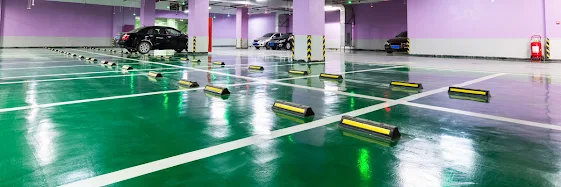
Epoxy floor coatings have been found useful in many areas due to its being cost effective. But what makes it appealing?  We all know how common concrete floors are in many industries. They are not very bad to look at, and also extremely durable. However, years and years of regular traffic take its toll on them quite a bit. Epoxy floor coatings is made up of epoxide resin, poly amine hardener when not used as a floor coating it is often used as adhesive. A chemical reaction occurs that gives your floor distinct properties This reaction produces new stability and endurance in the surface by sealing the surface. The firm bond also curves the the floor of the building.
Epoxy-Floor-Coatings


Durable and Chemical resistant
It is resistant to impacts and heavy crashes, making your floors last much longer than they normally would. Epoxy floors are also resistant to spills, chemicals, and other wear that might happen over time. 


Aesthetic Appeal
By providing a brand new shiny appearance this type of floor covering is an attractive option for many buildings. It hides previous defects your floor may have sustained. 


Epoxy coatings on Concrete floors


Normal concrete flooring is susceptible to chemicals and other fluids that could damage it. We know concrete  due to its porous structure absorbs most of the liquid that pass over it. By applying the epoxy paint the surface is made smooth. This makes cleaning up these spills and messes much easier than on regular concrete. Most importantly it creates a smoother surface, mopping and sweeping are easier to do  and it can even make your site much safer.


Inherent Benefits of using Epoxy Emulsions


Advantages-Epoxy-Paints
 

.  
The main concern for most people with Epoxy floor is that it might be toxic. But the contents of the material are no different from what is inside normal paint. 


To sum up, large amount of money can be saved by using epoxy emulsions in work spaces. So, epoxy paint is the perfect solution to all needs of the workspace.
Flooring


To know more about benefits  and our range please look at of Epoxy coatings from BuildCare Waterproofing Solutions:Epoxy Floor Coating Merits.